

Stop Saying Young People Don’t Want to Serve.

Before we blame Gen Z for our recruitment problems, there’s one question public safety needs to ask.
I hear some version of this everywhere I go.
“Walt, young people just don’t want to serve anymore.”
Usually, it comes from a fire chief, an EMS director, or a sheriff’s office recruiter frustrated by fewer applications or recruitment strategies that aren’t working like they used to.
Every time, I ask the same question. Are we sure about that? Because the research tells a different story.
New research from Harvard’s Making Caring Common project, conducted with Gallup and the Walton Family Foundation, found that 79% of Gen Z respondents want a job focused primarily on helping people or making a positive difference in others’ lives.
That doesn’t sound like a generation that doesn’t want to serve.
I think we may have a different problem. We’re blaming the audience before we examine the invitation.
Complaining about the younger generation is nothing new. Every generation eventually decides the generation behind them doesn’t want to work.
Apparently, it’s part of getting older. Somewhere along the way, you get reading glasses, start complaining about music, and announce that nobody under 25 has a work ethic.
But “young people don’t want to serve” isn’t a public safety recruitment strategy. It’s an excuse that can keep us from asking harder questions.
Gen Z Recruitment Starts With a Better Question
Look at the recruitment messages we put in front of candidates.
- “Now Hiring.”
- “Volunteers Needed.”
- “Join Our Team.”
- “Apply Today.”
Whether it’s a volunteer firefighter recruitment drive, an EMS hiring push, or a law enforcement academy class, the message is usually the same. It tells people what we want them to do. But it doesn’t answer the question that matters: Why should I choose you?
Whether we’re asking someone to volunteer or choose public safety as a career, we’re competing for their time and talent.
Public safety offers training, certifications, career opportunities, mentorship, leadership experience, relationships, and the chance to make a real difference. Yet our recruitment marketing sometimes reduces all of that to “WE NEED YOU.”

A Call to Action tells someone what to do. A Call to Service gives them a reason to care.
We also need to stop treating 18 to 30 as one audience. An 18-year-old graduating high school may want direction, skills, friendships, or a career path. A 22-year-old finishing college may want experience, connections, or purpose. A 29-year-old with a career and family may want to serve but needs to know how it fits into their life.
Same age range. Different motivations. If their motivations are different, our recruitment messages should be too. That doesn’t mean chasing slang or having your department suddenly try to sound like TikTok.
Please don’t do that.
Show candidates what serving actually looks like. For fire department recruitment, that might be a night at the station or a day of live-fire training. For EMS recruitment, it could be a first-year EMT telling the story of their first save. For law enforcement recruitment, it might be a ride-along or a day inside the academy. Introduce your people. Tell the stories of members who found careers, built friendships, became leaders, or discovered opportunities they didn’t know existed.
Public Safety Recruitment Can’t Stop at Marketing
Here’s the harder part. Sometimes the problem isn’t how we’re telling the story. Sometimes the problem is the story we’re asking people to join.
Candidates can research your organization before ever talking to you. They can visit your website, scroll through social media, watch videos, read comments, and see how your members interact. If they like what they see and raise their hand, what happens next?
Do they hear from someone quickly? Does someone actually talk with them? Do they know what happens next? Or does their information sit in an inbox
We cannot spend time and money attracting younger candidates and then give them a recruitment experience that feels like it was designed in 1997. Then six months later, somebody says, “See? Young people don’t want to join anymore.”
Maybe. Or maybe we made it harder than it needed to be.
This is where public safety recruitment has to go beyond marketing, whether you run a volunteer fire company, an EMS agency, or a police department. More leads won’t fix slow follow-up, a confusing application process, poor communication, or a department culture people don’t want to join. And the work doesn’t stop when someone joins. Onboarding, communication, leadership, training, mentorship, and belonging influence whether they stay. That’s the retention side of recruitment and retention.
Young people have choices. Employers, colleges, the military, public safety agencies, volunteer organizations, and countless other opportunities are competing for their time and talent. Show them why serving matters. Make the next step clear. Respond when they raise their hand. Then make sure the organization they experience matches the one you recruited them to join.
The next time someone says, “Young people just don’t want to serve anymore,” challenge the assumption. Maybe the question isn’t: Why don’t young people want to serve anymore? Maybe it’s: Have we given them a reason to choose us?
By Walter A. Campbell
Recruitment & Retention Strategist
More from Recruitment & Retention
 The First-Year Retention Toolkit
 Public Safety Is Asking the Wrong Question About AI Recruitment
 Why Your Best Recruit Quits in Year OneView all →
More from Responder MAX
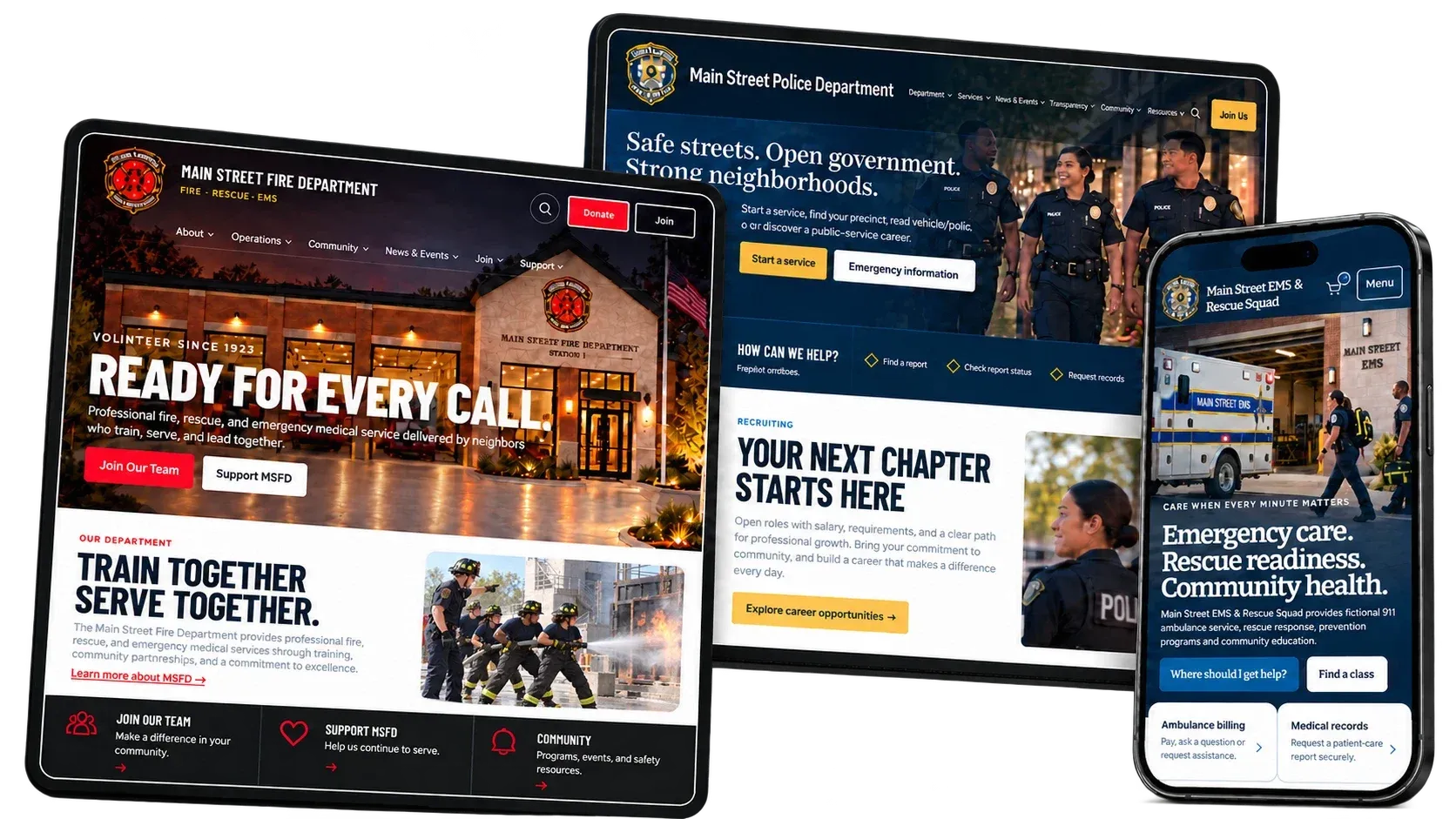 Meet the new Responder MAX CMS: a website platform built for public safetyOct 18, 2026
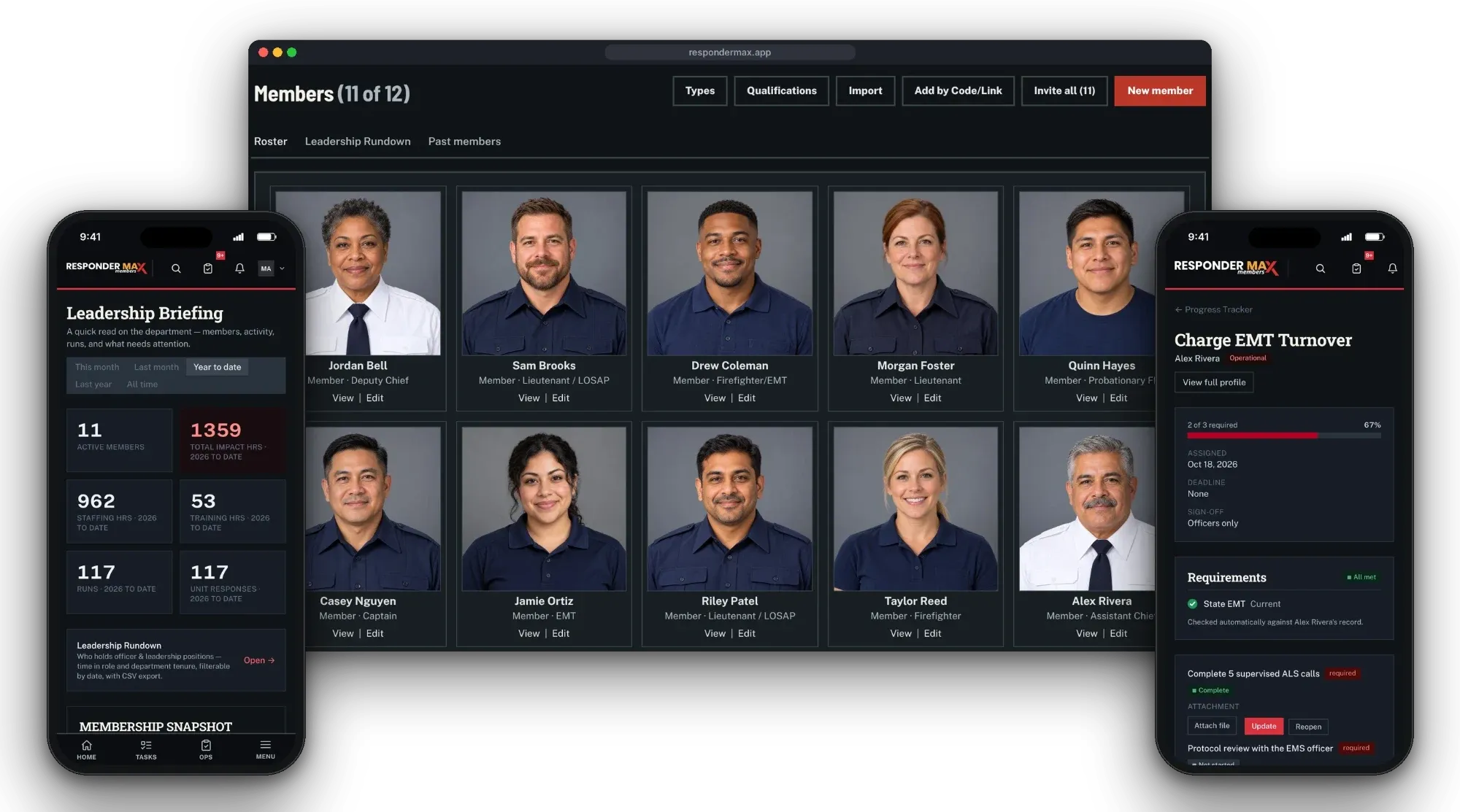 Meet MAX Members: one platform to run your volunteer department’s membershipOct 18, 2026
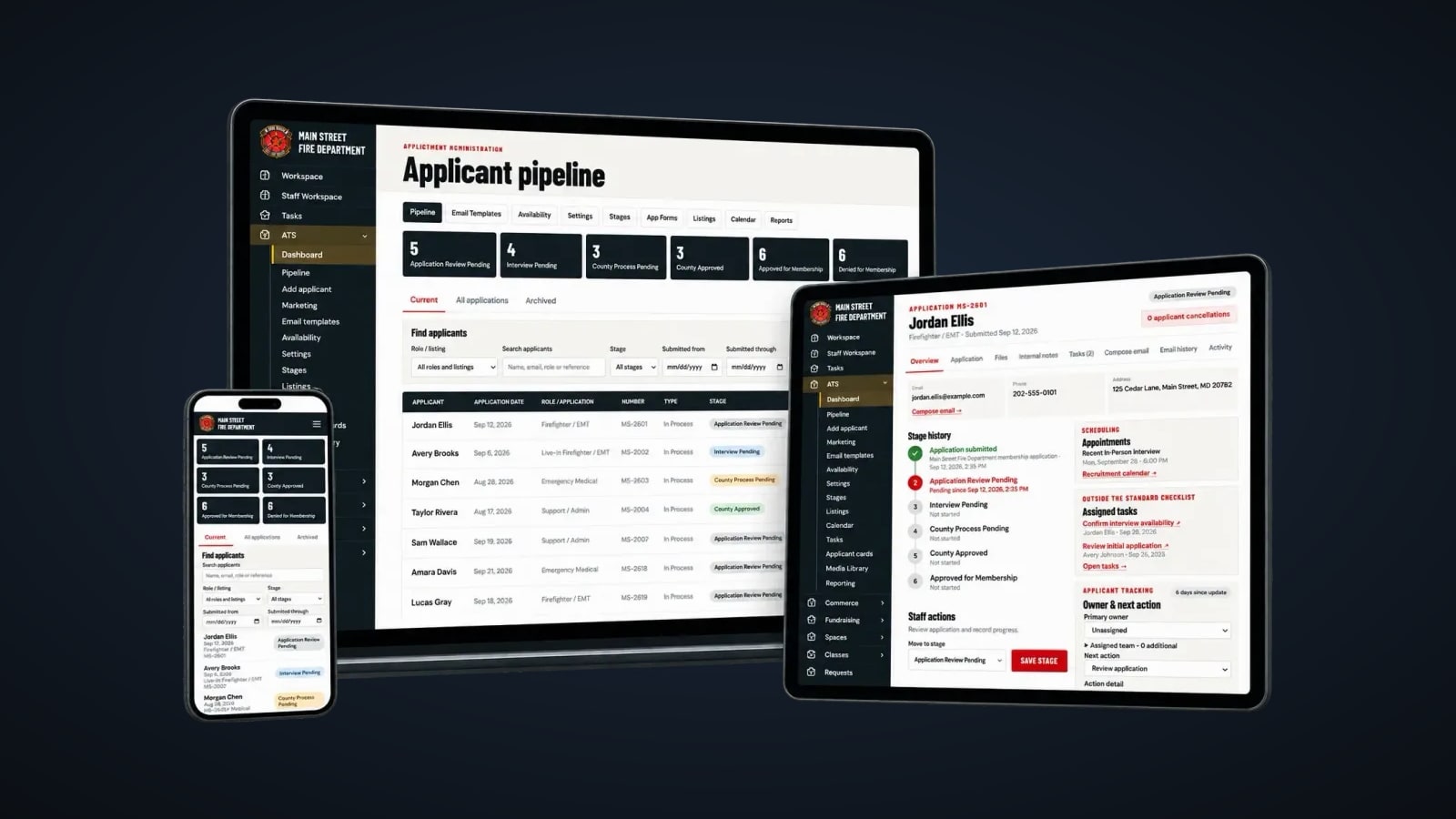 The MAX Recruitment Suite is here: attract, capture, interactOct 18, 2026
 Why Public Safety Recruitment Isn't Working: The T.F.C. FrameworkJul 8, 2026
 Public Safety Doesn’t Need More Disconnected Software. It Needs Platforms That Work Together.Jun 6, 2026