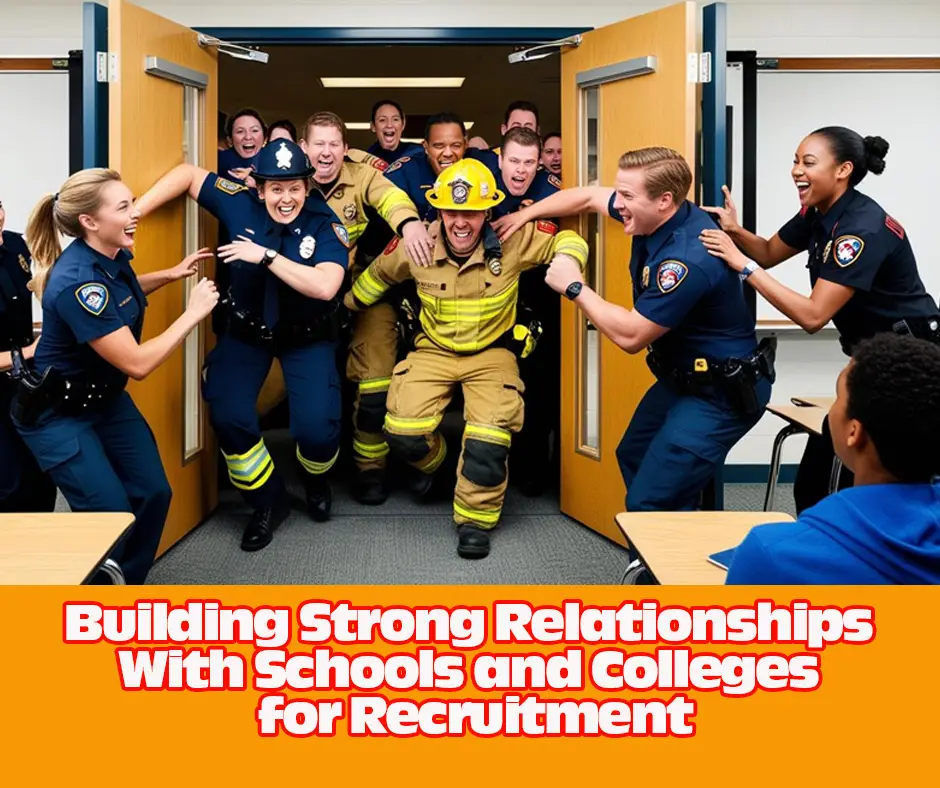
When I worked as an Air Force recruiter in Southern New Jersey, I learned pretty quickly that career fairs weren’t the best way to find the right recruits. They were fine for collecting a pile of “maybe” conversations — but not great for finding the people who actually had the skills, mindset, and motivation to serve.
Instead, I focused on building relationships with professors and student clubs. By getting to know faculty in engineering and technology, I connected with students who had the exact skill sets we needed. But the real success came when I spoke directly to students in clubs tied to the roles we were recruiting for.
That same approach carried over when I became a volunteer firefighter and EMS recruiter in Maryland — and it worked. The best recruits weren’t always the ones browsing a career booth. They were the ones already showing up in the right rooms, with the right interests, around the right people.
Here are five strategies that can help you connect with schools and colleges to build a pipeline of future first responders:
1. Connect with Professors
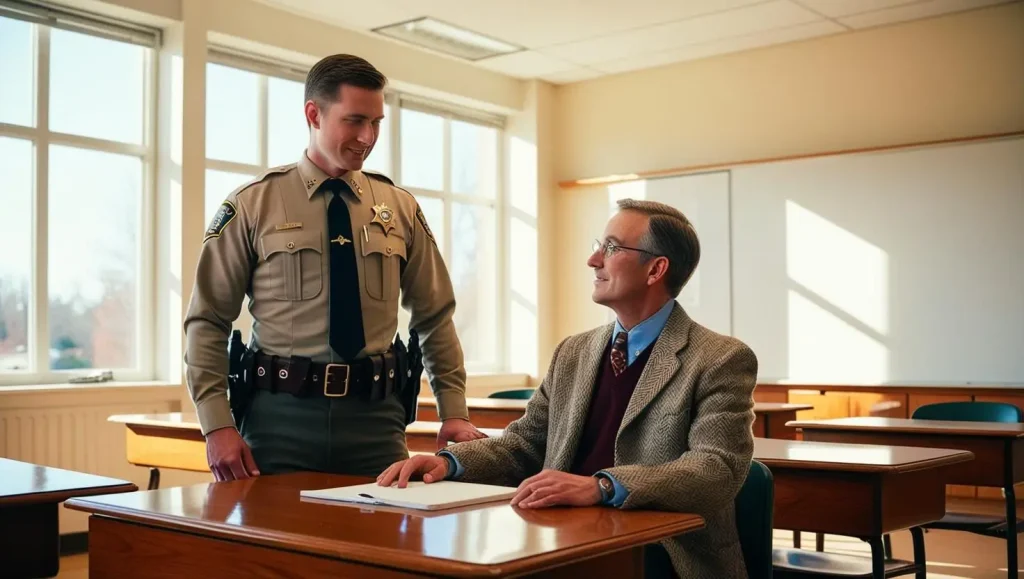
Build relationships with professors in fire science, EMS, criminal justice, emergency management, and related programs. Professors often know which students are serious, dependable, and looking for hands-on experience — and they can point those students in your direction for internships, volunteer opportunities, or full-time careers.
Pro-Tip: “Adopt” a classroom or course. Show up three to four times each semester. Be visible, be helpful, and leave recruitment literature or QR-code handouts that make it easy to take the next step.
 2. Engage with Student Clubs
Student clubs are where interest becomes identity. Many campuses have EMS clubs, criminal justice clubs, first responder organizations, or service-based groups that attract the exact people you want.
Attend meetings. Sponsor a guest speaker. Offer to run a “real-world” Q&A. If you can become a familiar face, you’ll earn trust — and trust turns into action.
3. Offer Internships and Hands-On Experience
Internships and shadow opportunities give students a real look at what it means to serve. More importantly, they help students picture themselves in the role — and that’s the moment recruitment starts to stick.
Pro-Tip: Everyone loves ride-alongs. Give them a first-hand look at what your organization does and let them experience your culture. The right environment turns curiosity into commitment.
4. Host Campus Events
Go beyond career fairs by bringing the experience to campus. Host a recruitment night, a skills demo, a CPR “mini-cert” event, or a public safety workshop. Bring apparatus, equipment, or hands-on stations — and keep it interactive.
Pro-Tip: Sponsor one of their meetings and bring food. It’s not bribery… it’s morale. (And it works.)
5. Stay Engaged Year-Round
Relationships don’t convert overnight. Stay in touch with faculty, clubs, and campus contacts throughout the year — not just when you’re short-staffed. Consistency builds familiarity, and familiarity lowers the barrier for students to raise their hand.
2. Engage with Student Clubs
Student clubs are where interest becomes identity. Many campuses have EMS clubs, criminal justice clubs, first responder organizations, or service-based groups that attract the exact people you want.
Attend meetings. Sponsor a guest speaker. Offer to run a “real-world” Q&A. If you can become a familiar face, you’ll earn trust — and trust turns into action.
3. Offer Internships and Hands-On Experience
Internships and shadow opportunities give students a real look at what it means to serve. More importantly, they help students picture themselves in the role — and that’s the moment recruitment starts to stick.
Pro-Tip: Everyone loves ride-alongs. Give them a first-hand look at what your organization does and let them experience your culture. The right environment turns curiosity into commitment.
4. Host Campus Events
Go beyond career fairs by bringing the experience to campus. Host a recruitment night, a skills demo, a CPR “mini-cert” event, or a public safety workshop. Bring apparatus, equipment, or hands-on stations — and keep it interactive.
Pro-Tip: Sponsor one of their meetings and bring food. It’s not bribery… it’s morale. (And it works.)
5. Stay Engaged Year-Round
Relationships don’t convert overnight. Stay in touch with faculty, clubs, and campus contacts throughout the year — not just when you’re short-staffed. Consistency builds familiarity, and familiarity lowers the barrier for students to raise their hand.
 Building strong relationships with schools and colleges is one of the best ways to create a steady pipeline of future first responders. By connecting with professors, engaging student clubs, and offering hands-on opportunities, you’ll attract passionate people who are already wired for service.
By Walter Campbell, Recruitment & Retention Strategist
Ready to take your recruitment efforts to the next level and attract dedicated first responders to your organization? Responder MAX helps departments build recruitment strategies that turn interest into action — with the messaging, tools, and follow-up systems needed to keep the pipeline moving.
Let’s get started! Reach out to us at [email protected].
Don’t miss out — subscribe to our blog for fresh strategies, practical tips, and creative insights to help strengthen your team and keep your community safe.
Building strong relationships with schools and colleges is one of the best ways to create a steady pipeline of future first responders. By connecting with professors, engaging student clubs, and offering hands-on opportunities, you’ll attract passionate people who are already wired for service.
By Walter Campbell, Recruitment & Retention Strategist
Ready to take your recruitment efforts to the next level and attract dedicated first responders to your organization? Responder MAX helps departments build recruitment strategies that turn interest into action — with the messaging, tools, and follow-up systems needed to keep the pipeline moving.
Let’s get started! Reach out to us at [email protected].
Don’t miss out — subscribe to our blog for fresh strategies, practical tips, and creative insights to help strengthen your team and keep your community safe.
2. Engage with Student Clubs
Student clubs are where interest becomes identity. Many campuses have EMS clubs, criminal justice clubs, first responder organizations, or service-based groups that attract the exact people you want.
Attend meetings. Sponsor a guest speaker. Offer to run a “real-world” Q&A. If you can become a familiar face, you’ll earn trust — and trust turns into action.
3. Offer Internships and Hands-On Experience
Internships and shadow opportunities give students a real look at what it means to serve. More importantly, they help students picture themselves in the role — and that’s the moment recruitment starts to stick.
Pro-Tip: Everyone loves ride-alongs. Give them a first-hand look at what your organization does and let them experience your culture. The right environment turns curiosity into commitment.
4. Host Campus Events
Go beyond career fairs by bringing the experience to campus. Host a recruitment night, a skills demo, a CPR “mini-cert” event, or a public safety workshop. Bring apparatus, equipment, or hands-on stations — and keep it interactive.
Pro-Tip: Sponsor one of their meetings and bring food. It’s not bribery… it’s morale. (And it works.)
5. Stay Engaged Year-Round
Relationships don’t convert overnight. Stay in touch with faculty, clubs, and campus contacts throughout the year — not just when you’re short-staffed. Consistency builds familiarity, and familiarity lowers the barrier for students to raise their hand.
Building strong relationships with schools and colleges is one of the best ways to create a steady pipeline of future first responders. By connecting with professors, engaging student clubs, and offering hands-on opportunities, you’ll attract passionate people who are already wired for service.
By Walter Campbell, Recruitment & Retention Strategist
Ready to take your recruitment efforts to the next level and attract dedicated first responders to your organization? Responder MAX helps departments build recruitment strategies that turn interest into action — with the messaging, tools, and follow-up systems needed to keep the pipeline moving.
Let’s get started! Reach out to us at [email protected].
Don’t miss out — subscribe to our blog for fresh strategies, practical tips, and creative insights to help strengthen your team and keep your community safe.